







Tesla Model 3: A Comprehensive Buying Guide
Everything You Need to Know Before You Buy
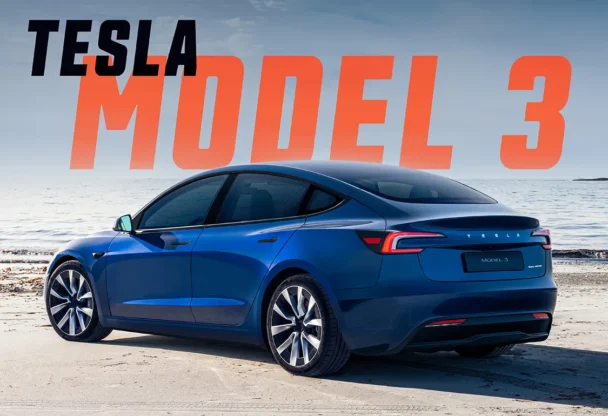
Launched in 2017, the Tesla Model 3 quickly became a popular choice among electric vehicle (EV) enthusiasts and newcomers alike, thanks to its sleek design, impressive performance, and approachable price point. By 2021, the Tesla Model 3 was the first EV in the world to surpass one million cumulative sales. Now, used Model 3s in good condition can frequently be found for under $25,000 and are eligible for EV tax credits of up to $4,000, making it a great option for those looking to get in on the EV action.
Additionally, due to the large number of Model 3s on the road and their proven technology, Tesla Model 3 motors and batteries are increasingly common in aftermarket applications such as EV swaps. Their reliable performance and availability make them a popular choice for enthusiasts looking to convert classic cars to electric power.
Whether you’re considering picking up a Model 3 for commuting or hot-rodding purposes, this guide will provide you with everything you need to know to make an informed purchase.


Tesla Model 3 Battery Types and What to Look Out For
Battery Types
The type of battery in your Model 3 affects everything from range to charging habits and overall performance, and is often the first thing a new EV user has questions about. Understanding the different battery options can help you choose the right vehicle.
NCA (Nickel Cobalt Aluminum): These batteries are the most common in Model 3 vehicles. Early models used 1865 NCA cells, while newer ones (pre-2023) have 2170 NCA cells. These batteries are known for their high energy density, offering a good balance of range and performance. Generally, NCA batteries should be charged up to 80% for daily use to preserve battery health, reserving 100% charging for long trips.
NMC (Nickel Manganese Cobalt): Found in some Model 3s manufactured in China and Berlin, these batteries use 2170 NMC cells. NMC batteries are designed to provide a stable balance of energy density and longevity, suitable for both daily commutes and longer trips.
LFP (Lithium Iron Phosphate): Starting in 2023, Tesla began using LFP batteries in some Model 3s. Unlike NCA and NMC batteries, LFP batteries can be charged to 100% regularly without concerns about degradation. This type of battery is preferred for drivers who regularly use the full range of their vehicle.

Checking Battery Health
Battery health is a critical factor when buying a used Tesla Model 3. Here are some tips on what to look for:
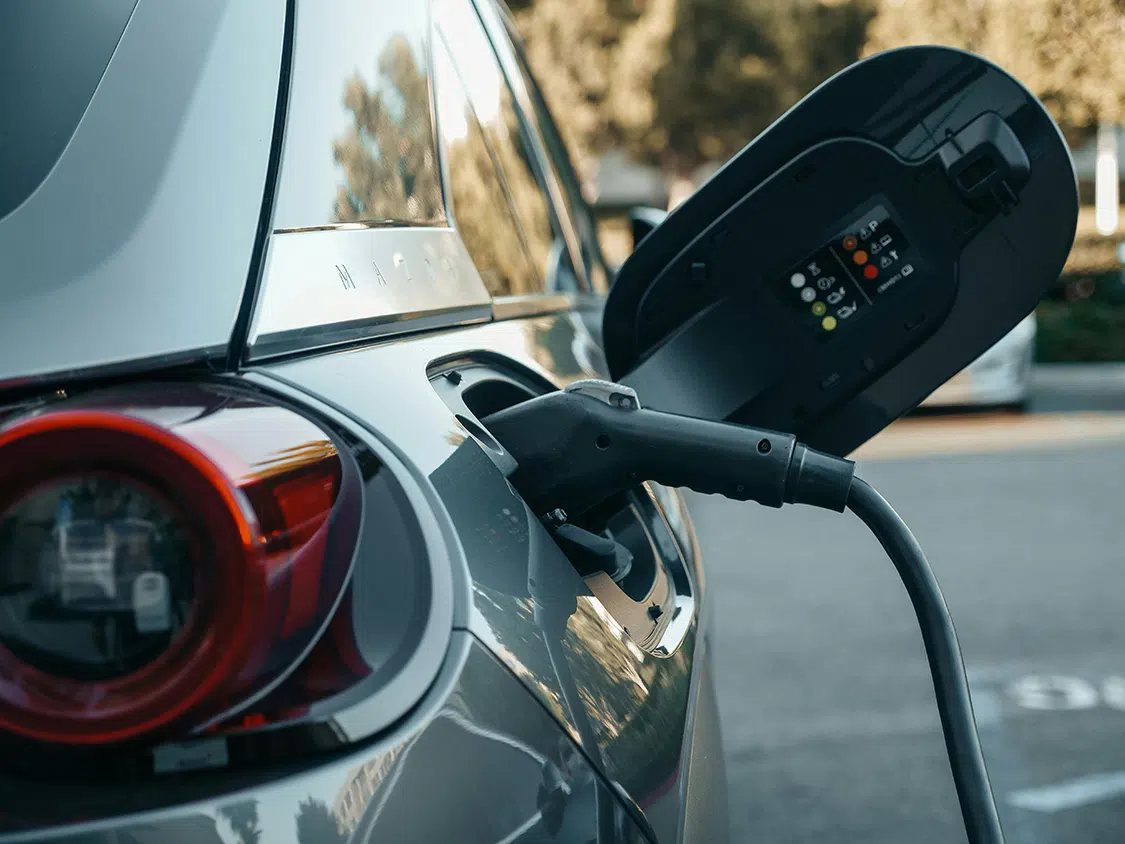
Battery Label: Look for the battery label on the right side of the vehicle, near the rear quarter panel, with the front wheels turned left. This label will provide you with essential information about the battery type and capacity.
In-Vehicle Checks: You can check the battery type through the car’s menu system. Navigate to Controls > Software > Additional Vehicle Info to find details about the high-voltage battery type. If “Daily” and “Trip” charging limits are shown, it’s likely an NCA battery.Battery Degradation: A certain level of battery degradation is normal. Expect about 5-10% degradation in the first year, which should slow down afterward. A more significant drop might indicate issues.
Remanufactured Batteries: Check if the battery label mentions “REM,” which indicates a remanufactured or replaced battery. While this doesn’t automatically mean a problem, it’s something to be aware of and might warrant further inspection or questions to the seller.
Battery Warranty
Tesla provides a substantial warranty for the Model 3 batteries, which helps ease some of the unavoidable stress associated with buying a used Tesla.
The warranty for the motor and battery is eight years or 120,000 miles for dual motor variants (Long Range and Performance), and eight years or 100,000 miles for single motor versions. This warranty covers defects in materials and workmanship, including excessive battery degradation.
Common Issues to Look Out For
While the Model 3 is a popular and generally reliable car, there are some common issues that potential buyers should be aware of. Please also note that in general most of these are factory issues, and unlikely to develop over time if they are not currently present.
Panel Alignment: Tesla has had issues with consistent panel alignment, including the trunk, frunk, doors, and fixed panels. Misalignment might cause some optical issues and uneven panel gaps. It’s worth inspecting the vehicle closely for these imperfections, as they can impact the overall aesthetic and might lead to issues like water ingress.

Paint Quality: The Model 3’s paint can be thin, leading to potential wear and tear, especially near the wheel arches. Some vehicles have also shown paint defects like run marks and sanding marks. Be cautious when using protective films or power washers, as paint may lift off. Tesla has provided some owners with mud flaps to reduce stone chipping.
Cracked Glass: Some Model 3 owners have reported cracking in the rear glass without impact damage, possibly due to body flex. If the vehicle is older, Tesla might not cover this under warranty, so inspect for any signs of cracking.
Missing Bolts and Under Tray Issues: There have been reports of missing bolts, including critical ones like those in the steering column and seat belts. Ensure all bolts are properly secured. Additionally, the under tray initially used materials that disintegrate when wet, although updated parts have addressed this. Check for any signs of damage or wear, especially in wetter climates.
Water Leaks and Light Condensation: Model 3 vehicles have experienced leaks, particularly in the trunk area, often due to improperly installed seals. Condensation in the LED lights is also common, which might persist and cause the units to fail over time if not properly drained.
Heat Pump and Power Trunk Strut Issues: The heat pump, added from the 2021 model year, initially faced reliability issues but has since improved. However, if purchasing an early 2021 model, check if this component has been replaced or serviced. The power trunk strut can also fail, causing alignment issues and potentially damaging the glass or bodywork.

Model Choices
When buying new or used, you have three Model 3 trims to choose from: Standard Range Plus (SR+), now called Model 3 RWD This rear-wheel-drive model has the smallest battery, making it the most affordable option. It lacks some of the luxury features found in higher trims, such as a premium sound system and a heated steering wheel (prior to 2021). It offers solid efficiency and is suitable for everyday commuting.
Long Range (LR)
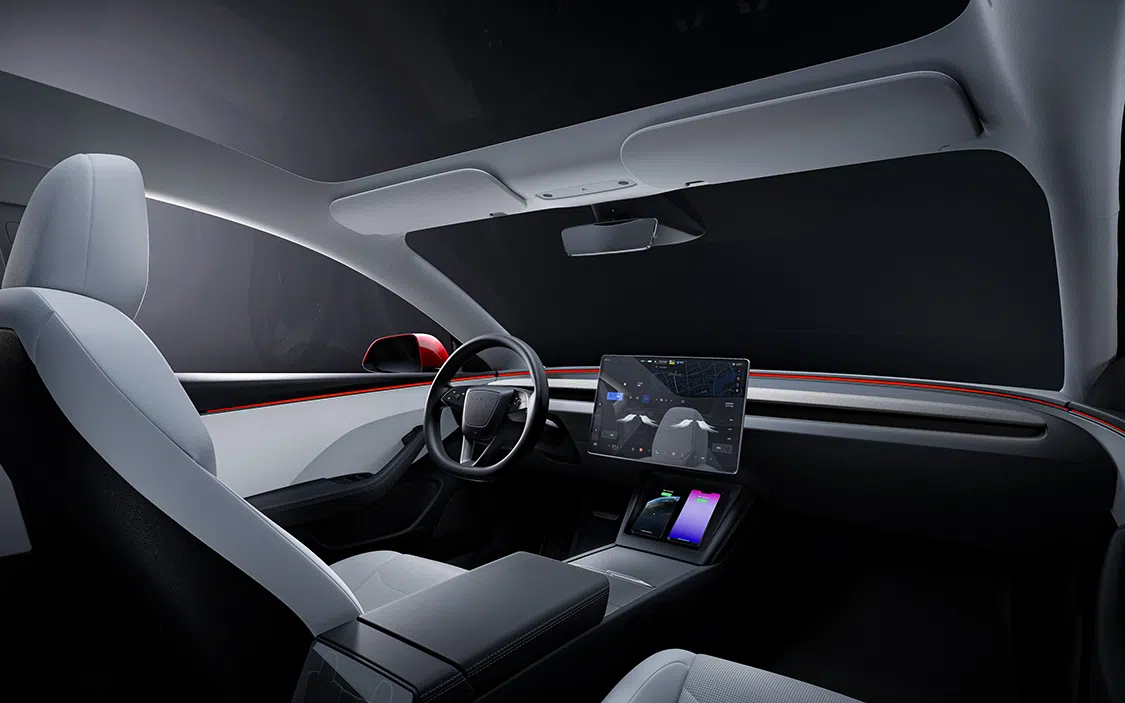
This all-wheel-drive model offers more range and better performance than the Standard Range Plus. It includes features like a heated steering wheel and a top-tier audio system. The Long Range model also has the option to buy a performance/acceleration boost, bringing its performance close to the Performance model, especially at higher speeds.
Performance (M3P)
The Performance model shares a similar drivetrain with the Long Range but features upgraded motors and software for enhanced performance. It includes larger wheels, bigger brakes, and lower suspension. This trim is geared towards driving enthusiasts, offering features like track mode for maximum handling and speed.
Choosing the Right Model
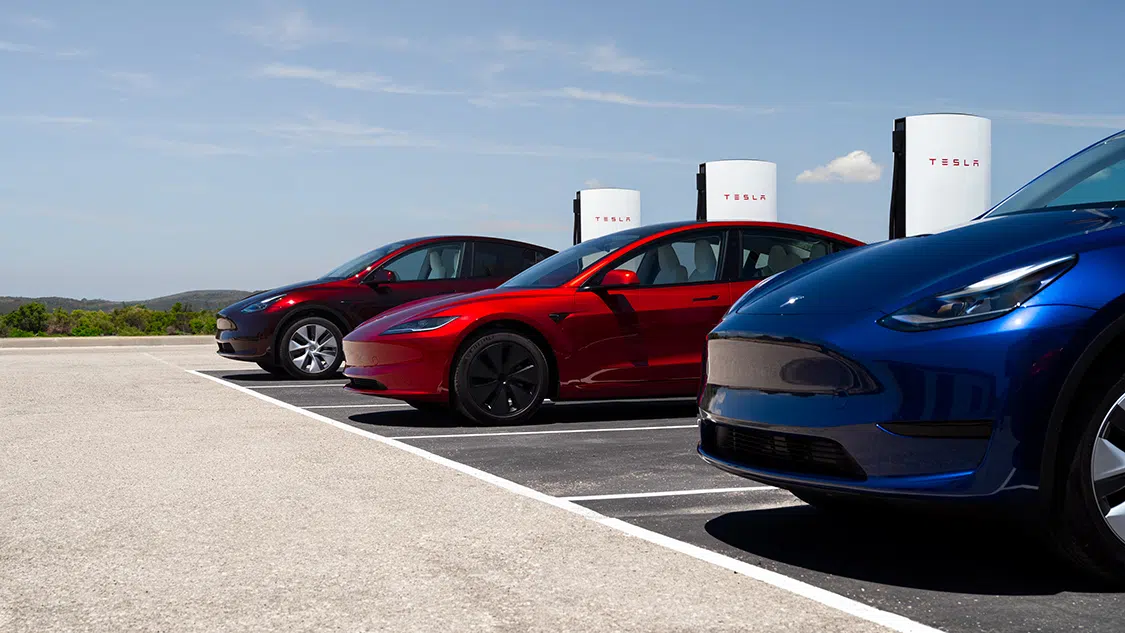
In our opinion, the Long Range model offers the best combination of performance, range, and features for most buyers, making it an excellent all-around option. For those on a budget, the Standard Range Plus provides a lower-cost entry into Tesla ownership while still offering solid performance and range. The Performance model is ideal for those who prioritize speed and driving dynamics but are willing to trade some comfort and versatility.
The Tesla Model 3 remains a standout in the electric vehicle market for its blend of affordability, performance, and advanced technology. When looking to purchase a used model, understanding the various trims, updates, battery options, and common issues will help you choose a Model 3 that suits your needs.