







Cost Meets Innovation: The Real Economics of Owning a Tesla
Owning a Tesla is often seen as a statement of luxury and environmental responsibility. But beyond the brand’s cutting-edge technology and sleek design lies a question many potential buyers ask: What does it really cost to own a Tesla? This article delves into the economics of Tesla ownership, exploring both the financial benefits and considerations.
Upfront Investment:
- Purchase Price: Tesla’s range includes models at various price points, from the relatively affordable Model 3 to the more luxurious Model S. We’ll break down the pricing and what features come standard with each investment.
- Incentives and Rebates: Many regions offer incentives for purchasing electric vehicles, which can significantly lower the initial cost. Details on federal and state incentives, as well as any potential tax rebates available to Tesla owners, will be explored.
Running Costs:
- Charging Costs vs. Gasoline: Compare the costs of charging a Tesla at home, at Supercharger stations, and the costs saved by not buying gasoline.
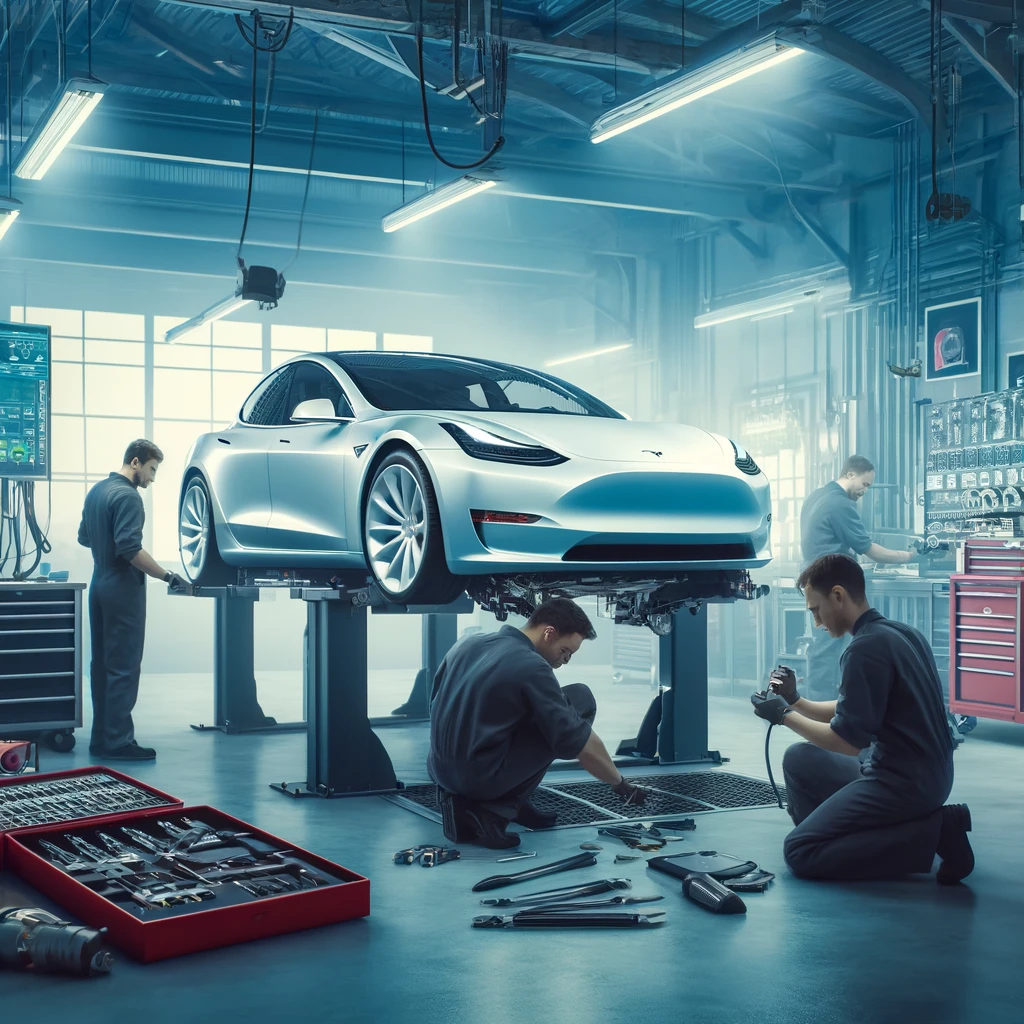
- Maintenance: Electric vehicles have fewer moving parts than traditional cars, which generally leads to lower maintenance costs. However, Teslas are high-tech machines, and we’ll discuss what owners can expect in terms of regular upkeep.
Resale Value:
- Depreciation: Like all vehicles, Teslas depreciate over time. However, the rate of depreciation for Teslas can be different from that of traditional vehicles due to technology updates and market demand.
- Market Demand: Tesla cars often retain a higher resale value compared to other electric vehicles, thanks to brand popularity and performance longevity.
Insurance Costs:
- Insurance Premiums: Due to their high repair costs and advanced technology, Teslas can be more expensive to insure. We’ll provide a comparison of insurance costs for Teslas versus other luxury vehicles.
Long-term Savings:
- Total Cost of Ownership: Combining all these factors, we’ll provide an estimate of the total cost of ownership for a Tesla over five years compared to a conventional internal combustion engine vehicle.
- Environmental Credits: Owning a Tesla may also qualify for environmental credits in some regions, which can be another economic benefit.
The decision to purchase a Tesla goes beyond just the sticker price. It encompasses a range of economic factors from initial costs to long-term savings. This article has provided a holistic view to help potential buyers make informed decisions.
Are you considering a Tesla, or are you already a Tesla owner? Share your experiences and thoughts on the economics of owning a Tesla in the comments below or on our social media channels.
Written By: Lhea Alisha